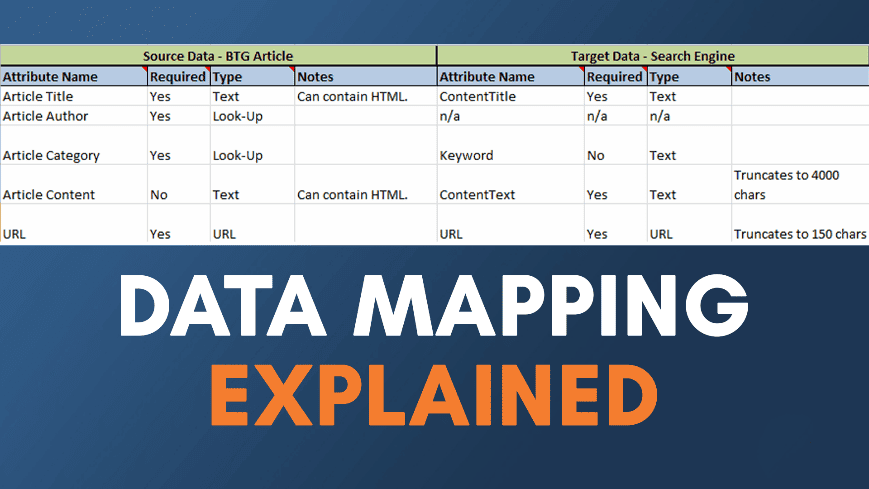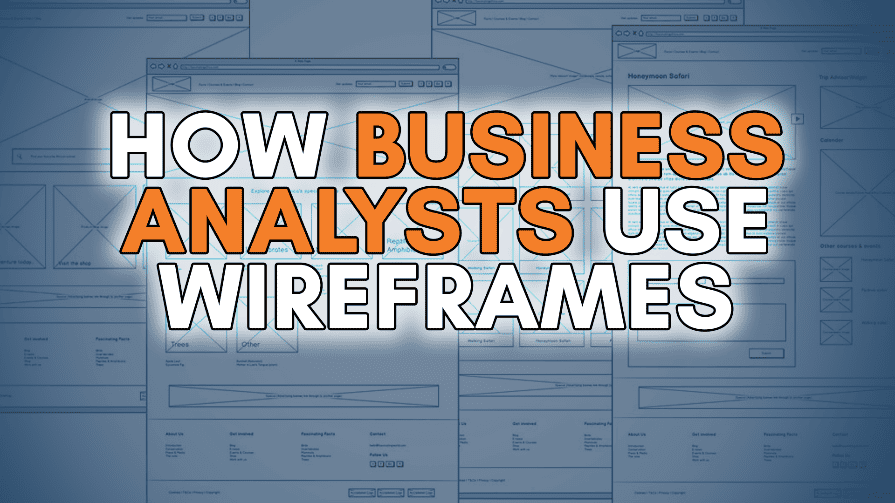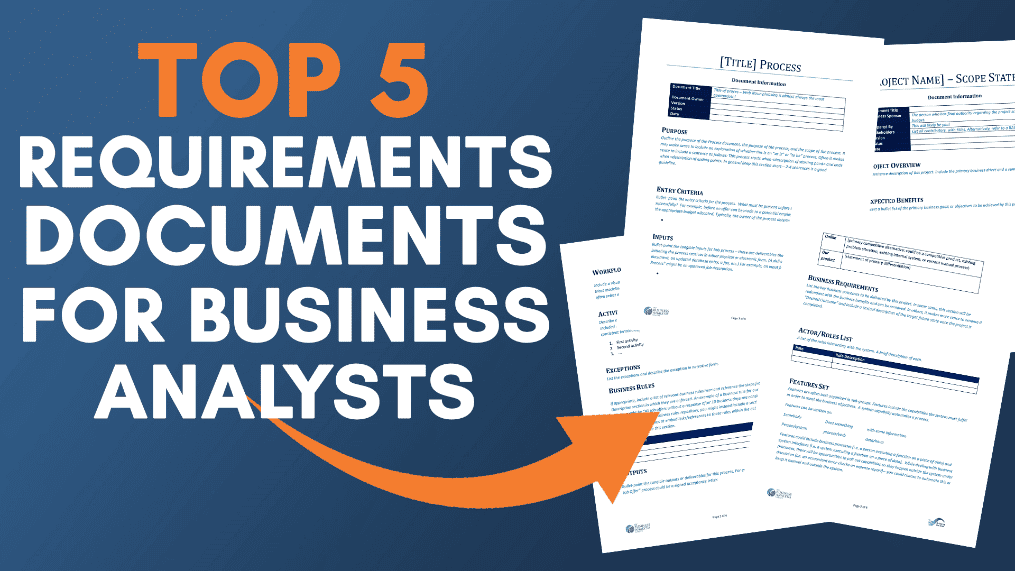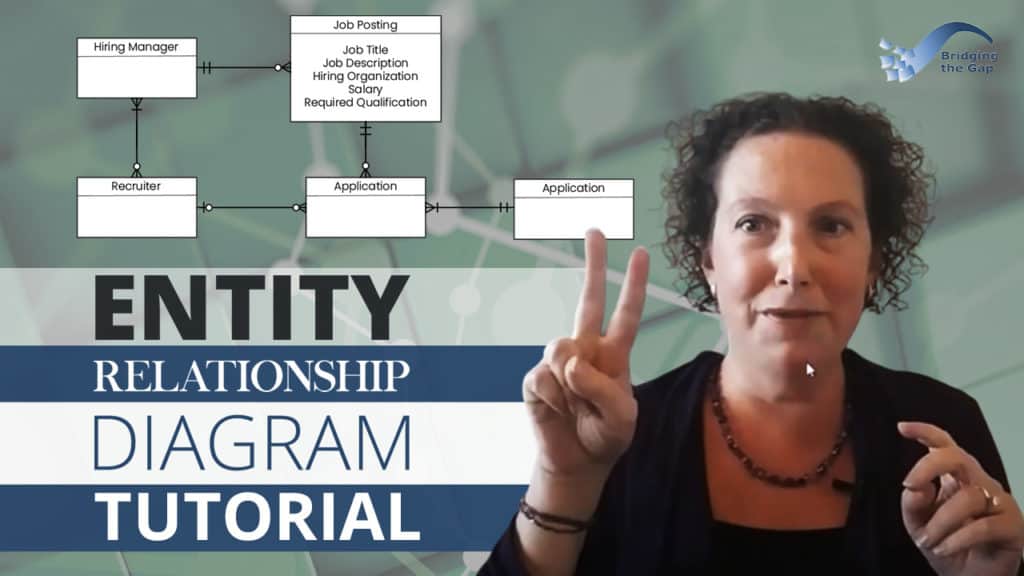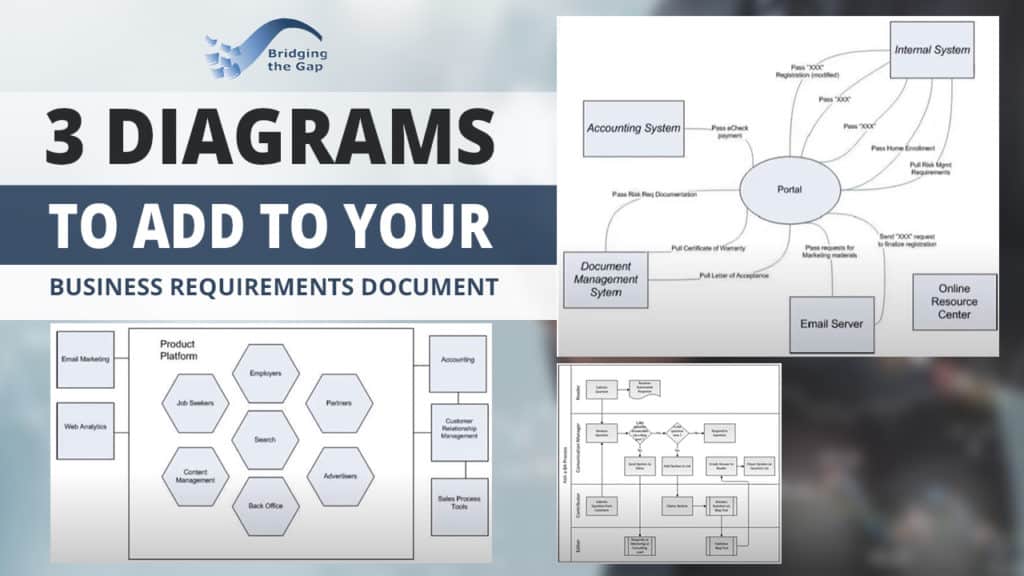
Requirements analysis is a key component of a requirements process. It involves organizing, prioritizing, modeling the requirements. Well-analyzed requirements are complete and unambiguous.
The agile movement promotes positive change when it encourages teams to work together to create products that are fit for purpose with as little non-value-added activities as possible. Agile approaches embrace mechanisms for continuous improvement, and include practices that can be traced to Lean thinking, a management philosophy that aims to identify what creates value [...]
Verification ensures the intrinsic quality of the requirements. Although it would be a significant waste of time outside academic circles, I could verify requirements for a solution that had zero business value and that my organization had no intention of funding. They’d be verified but not validated (and we’ll get to validated next). The purpose [...]
The User Story: simple and elegant. “As a ______, I want to _________, so that I can __________.” Why must a user story only be used for Agile projects? I was at a seminar recently where the speaker kept talking about user stories only in the context of an agile project. Is there a thought [...]
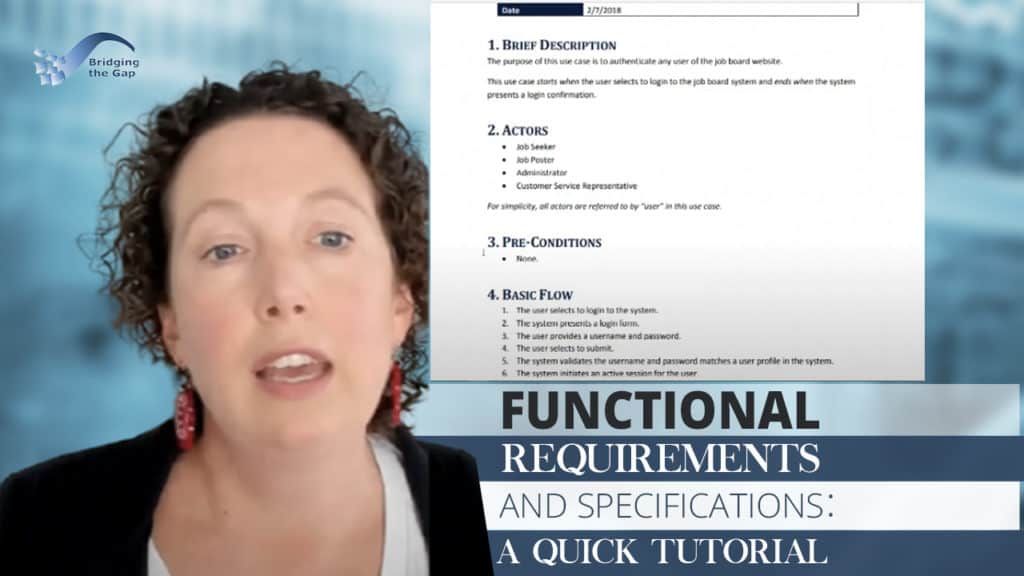
There’s a lot of information on the Interweb about how to write a functional specification (FS for short, aka software requirements specification, system specification, product specification), including a fair few articles here on Bridging the Gap. Adriana Beal’s article earlier this year explains why writing a Software Requirements Specification is a valuable analyst skill, and Doug [...]
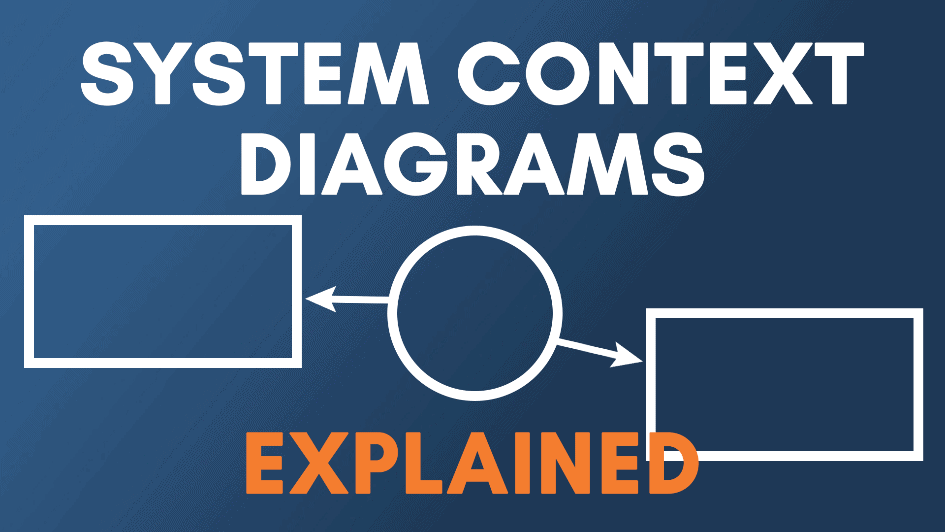
As BAs we very easily get wrapped up in our requirements. That is the bulk of our work – business requirements, stakeholder requirements, solution requirements, etc. Everywhere we look, requirements, requirements, requirements! However, in the midst of eliciting, analyzing, and specifying requirements, there is a context at play. One of these contexts is the business [...]
We have two readers ask similar questions of our Help A BA! staff concerning extracting business rules from legacy systems; so let’s help them both out. Reader 1: As rules are mostly hardcoded and code walkthrough is too time consuming in mainframe systems, what is the best way to extract business rules from legacy systems [...]
In my last post, Help a BA! How do I get stakeholders to focus on business requirements?, I wrote: As discussed above, it’s not only OK, but expected that the business side will be involved in defining the solution that will be built to address a business problem or opportunity. The solution requirements, which describe [...]
One of my co-authors here on Bridging the Gap recently wrote an article titled Design and requirements? Pshaw!, discussing whether or not it is good practice to include ‘designs’ within a requirements document. I’ve seen this debate before, in various guises, and I’m always a little bemused and confused by it. And here’s the reason: To [...]
In my previous post I described my experience as a business analyst on an agile project. One of the key artifacts I produced on the project was the functional specification (FS). In this post I’m going to get right under the covers of the FS and explain exactly what it was and how it worked. My intention [...]
This installment in the Building BA Maturity series, picks up where the last one on Business Process left off. This month, it’s all about Business Rules. And as many of us know, in the domain of requirements gathering and definition, “Rules” truly rule. Or, so says many a thinker in the area now commonly referred [...]