
Module 1 Content Row
Module 1
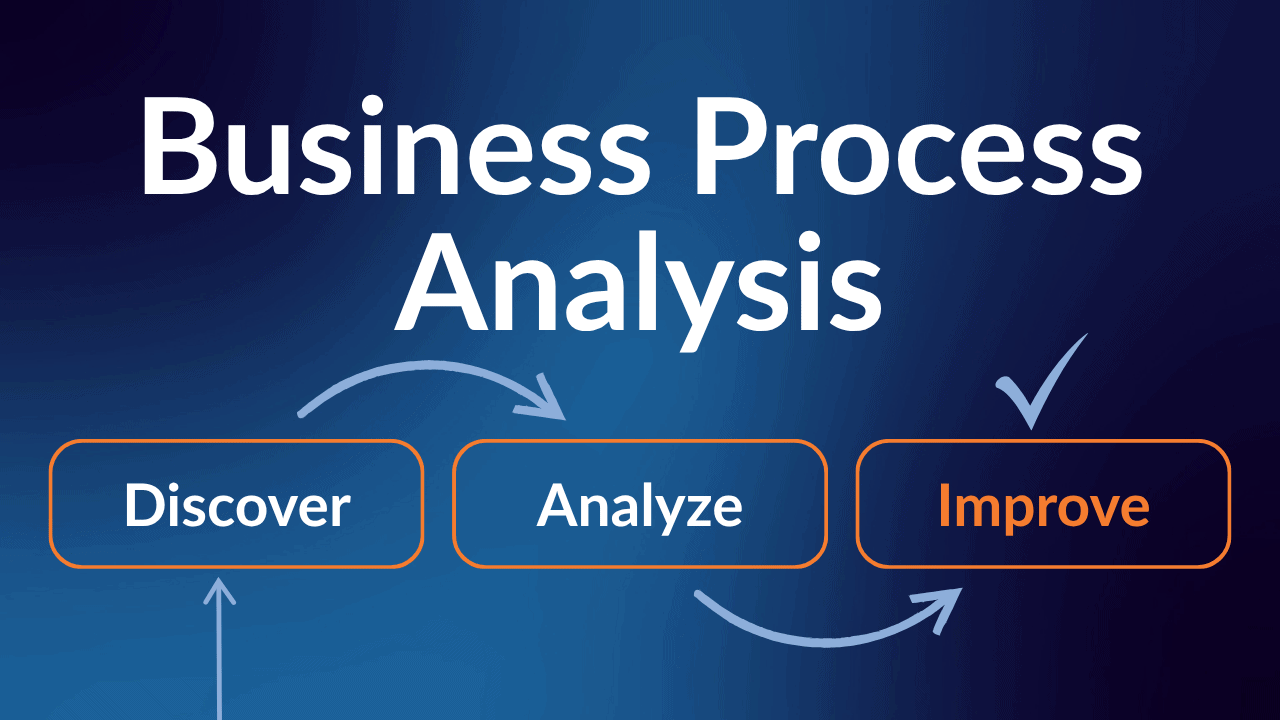
Business Process Analysis
When you have a clear understanding of the business process, you will be able to clarify the business problem to be solved and ensure the technical solution delivers actual value to the business.
Business process analysis is often the first set of models we do when beginning to scope a new project or analyze a feature request or evaluate what the data is telling us about how to improve our organization. And we come back to these techniques again to help the business realize improvement opportunities as we roll out new solutions.
In this module, you'll discover:
Process Analysis Foundations – Map out the high-level process workflow and use clarifying techniques like swim lanes and decision points, and define details in the textual document such as business rules, exceptions, entry points, and exit criteria.
Patterns and Pitfalls - Uncover time-saving techniques, avoid time-consuming pitfalls, and navigate complex patterns like concurrent activities and units of work.
Discover and Validate – Engage business users and leaders from multiple departments to ensure a clear and complete view of the current state, using techniques such as AI-powered research, observation, interviews, and collaborative diagramming.
Improve a Business Process – Learn how to identify and gain buy-in on improvements, from manual optimizations to software updates, including the incorporation of generativeAI solutions.
In addition to the time-tested foundational principles, each area covers how to leverage generativeAI to accelerate your work and boost your impact.

Module 2 Content Row
Module 2
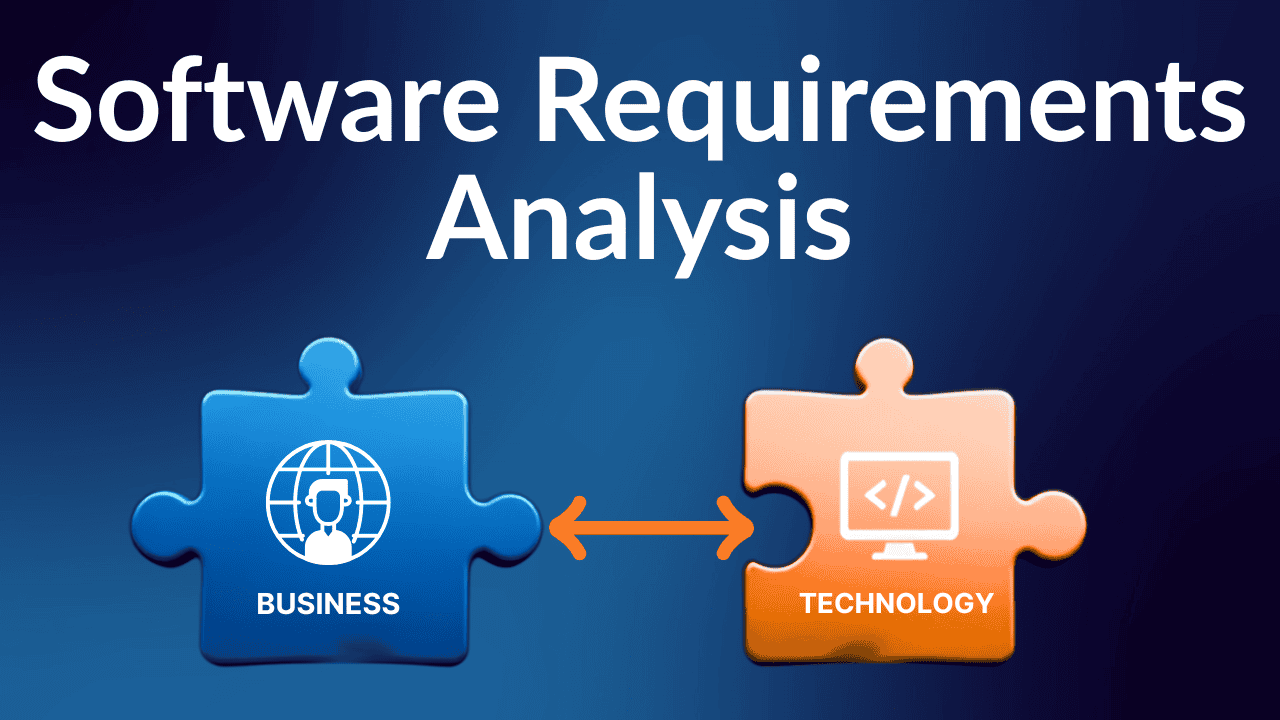
Software Requirements Analysis
Get business and technology stakeholders on the same page with software requirements, ensuring that the solution meets the true business need.
In this module, you'll discover:
Software Requirements Overview – Discover the types of software requirements, templates, and projects, and choose a piece of software to analyze as you go through the course.
Product Backlog & User Stories – Learn how to decompose, organize, prioritize, estimate and detail out a product backlog.
Use Case Foundations – Analyze software requirements more completely and ask better questions using this structured thinking tool.
User Interface Modeling – Improve stakeholder engagement by using wireframes and prototypes (built rapidly with AI tools) to visualize software requirements.
Software Requirements in Practice – Gain confidence in how to apply these techniques to update an existing system, implement a COTS/SaaS, integrate systems, or build AI agents.
Patterns & Pitfalls – Avoid the most common mistakes and learn to use time-saving techniques like functional decomposition and matrices to improve communication.

Module 3 Content Row
Module 3
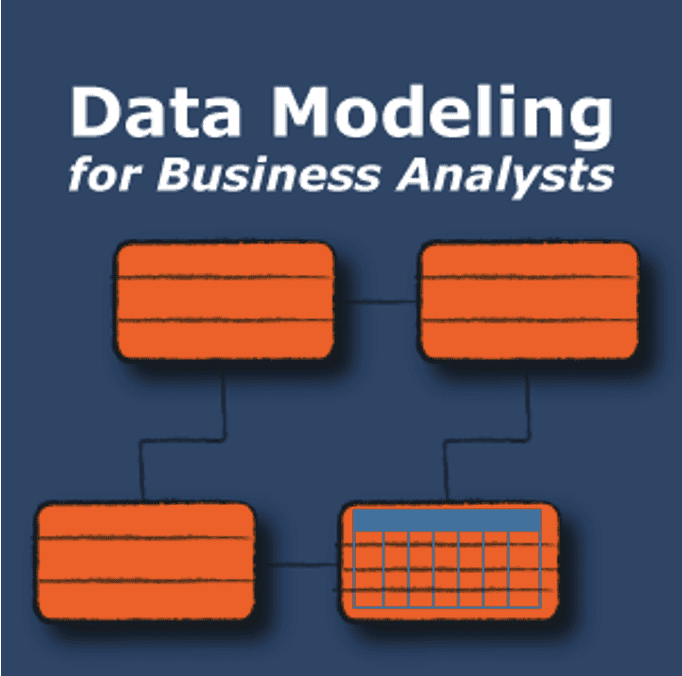
Data Modeling for Business Analysts
You’ll learn how to help business stakeholders make data requirements decisions on data migration, system integration projects, and API projects, even if you don't have a technical background or know how to write SQL. You'll also earn more credibility with developers since you'll be able to talk their language.
You'll gain confidence in the following data modeling techniques:
Glossary – How to clarify terminology to quickly learn new domains and expertly break down jargon.
Entity Relationship Diagram (ERD) – How to bring gaps between business concepts and technical database design using a simple visual format that really engages stakeholders.
Data Dictionary – How to organize and drill down into the detailed data requirements. You’ll also take away the essential concepts you’d glean from an introductory SQL class.
System Context Diagram – How to visualize the information flows between systems and clarify boundaries that speeds up the scoping and elicitation process.
Data Mapping – How to manage data flows in data migration and system integration projects, so the business users have the information they need to run their business effectively

Module 4 Content Row
Module 4
BA Essentials Master Class
You’ll learn how to leverage the 8-step business analysis process framework to see the big picture of the business analyst role, get organized from day 1, and know exactly how to get started on a new project.
You'll gain confidence in the following steps:
- Get Oriented – Start actively contributing as quickly as possible by managing expectations and conducting preliminary stakeholder analysis.
- Discover the Primary Business Objectives – Ensure the right business need or problem is solved.
- Define Scope – Gain agreement from stakeholders on the scope of the solution to be developed.
- Formulate Your Business Analysis Plan – Identify what types of documentation or deliverables to create, and what needs to be done when.
- Define the Detailed Requirements – Develop a consistent method of communication so that all stakeholders know and understand the requirements.
- Support the Technical Implementation – Be a partner with the tech team and ensure they have everything they need to be successful.
- Help the Business Implement the Solution – Support business stakeholders during implementation, user acceptance testing, and roll out so that they ultimately get what they need.
- Assess the Value Created by the Solution – Assess the ROI of the solution and develop leadership capabilities.